NEWS ALERT - We won a SILVER IPM award for Best use of Social Media, 2025! Read more🏆
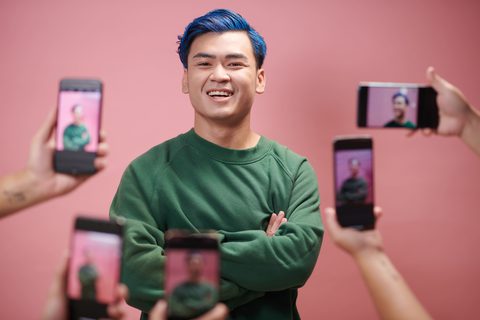
Audiences today are more aware, more selective, and far less patient with content that feels forced or transactional. This shift has pushed brands to move away from one-off collaborations and towards building partnerships that feel genuine, consistent, and rooted in real connection. It’s no longer just about being seen, but about being trusted and remembered.
We spoke with George Coyle, Account Manager at Together Agency about how influencer marketing has evolved in response to these changes, what it really takes to build campaigns that don’t just perform but genuinely connect, and where the space is likely heading as both brands and audiences continue to raise the bar.
The biggest shift is how aware audiences have become. People can now spot inauthentic content almost instantly, and that has completely changed how brands think about influencer collaborations.
Earlier, it was often enough to partner with someone who had a large following and strong visibility. Now, that approach feels outdated. Brands understand that if the collaboration doesn’t feel natural, it simply won’t land.
There’s a much stronger focus today on creating partnerships that feel seamless within a creator’s content. The best campaigns don’t interrupt the user experience, they blend into it. When done right, the audience doesn’t feel like they’re watching an ad, which is exactly what makes the content more effective in the current landscape.
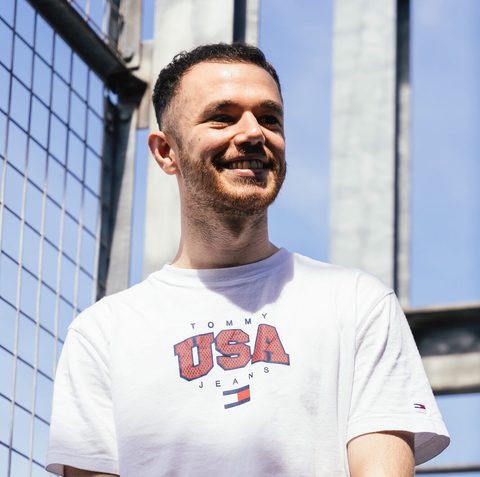
George Coyle, Account Manager
Everything starts with defining the objective clearly. Before even thinking about creators, it’s important to understand what success looks like for the campaign.
If the goal is to drive sales, the kind of influencers you choose will be very different from those selected for awareness. For sales-driven campaigns, you look for creators who are strong communicators, especially on formats like stories or face-to-camera content that can drive action.
Alongside that, understanding the target audience is crucial. Today, brands have access to tools that allow them to filter influencers based on demographics, location, and audience behaviour. That level of precision helps ensure that the campaign is not just reaching people, but reaching the right people.
The decision really depends on what the campaign is trying to achieve and who it’s trying to reach.
Macro influencers are typically used when the goal is scale. They help maximise reach, visibility, and overall exposure, which is especially useful for brand awareness campaigns or product launches.
On the other hand, micro influencers are often more effective when the brief is more targeted. This could be location-specific campaigns or niche topics where credibility matters more than volume. Their audiences tend to be more engaged and trusting, which can lead to stronger interactions even if the reach is smaller.
In many cases, it’s not about choosing one over the other, but understanding where each type of influencer adds the most value.
The first thing to look at is the influencer’s personality and tone of voice. Even if someone operates within the right category, their content still needs to feel like a natural extension of the brand.
Beyond that, authenticity in their real life plays a huge role. The strongest collaborations happen when there is already a believable connection between the influencer and the product. If it’s something they would genuinely use or care about, it shows in the content.
Another important factor is how their audience engages with them. When followers trust the creator and are invested in their journey, the endorsement carries much more weight. It feels less like a promotion and more like a recommendation.
Creative freedom is extremely important, but it needs to be guided in the right way.
A well-structured brief should clearly outline the key messages, objectives, and any essential do’s and don’ts. But beyond that, influencers should have the flexibility to interpret the brief in their own style.
If the content feels too scripted, it becomes obvious to the audience and loses its impact. On the other hand, when creators are allowed to bring their own voice and format into the content, it feels much more natural within their feed.
The goal is to strike a balance where the campaign message is delivered clearly, but the execution still feels authentic to the creator.
The process usually begins with a detailed briefing session between the brand and the agency. This is where the objectives, KPIs, and overall expectations are clearly defined.
Once that’s established, a comprehensive brief is created. This includes background on the brand, product details, creative direction, and clear guidelines for the influencers.
The next step is research and selection. Influencers are identified based on performance metrics, audience relevance, and overall fit. These options are then shared with the client, along with data and recommendations to support the selection.
After finalising the creators, the focus shifts to negotiations, contracts, and timelines. Content is then produced, reviewed, and refined through feedback loops before being approved and published.
While the process is structured, the creative stage remains flexible to ensure the content feels organic.
Seasonal moments create a natural opportunity for brands to tap into existing conversations and cultural relevance.
These campaigns can either stand alone or support a broader brand narrative. What works particularly well is building an idea that encourages participation, rather than just passive consumption.
For example, introducing a simple theme, challenge, or debate can make the campaign more interactive. Influencers can then bring their own perspective into that idea, which helps generate conversation and engagement.
When done well, seasonal campaigns feel timely and fresh, while still staying true to the brand’s identity.
Success is always measured against the original objective of the campaign.
For awareness-driven campaigns, metrics like reach, views, and engagement rates are key indicators. They show how many people the content reached and how they interacted with it.
For more performance-focused campaigns, metrics such as clicks, conversions, and sales become more important. These give a clearer picture of how the campaign is driving action.
At the same time, there’s growing importance being placed on deeper engagement signals like saves, shares, and watch time. These metrics indicate that the content didn’t just appear in someone’s feed, but actually resonated with them.
Standing out today is less about doing more and more about doing things right.
One of the most effective strategies is focusing on the right partnership rather than simply increasing the number of influencers involved. A well-matched creator with a strong idea can often deliver better results than a large-scale campaign without clear alignment.
Timing also plays a role. Instead of forcing collaborations around every trending moment, it’s important to choose opportunities that genuinely fit the brand.
When the influencer, the idea, and the timing all align, the content feels natural and engaging, which is what ultimately makes it stand out.
AI is playing a significant role in shaping the future of influencer marketing, especially when it comes to creating scalable, UGC-style content.
However, as AI-generated content becomes more common, audiences may also become more cautious about what they trust. This makes authenticity even more valuable.
Because of this, we’re likely to see a shift toward longer-term partnerships between brands and influencers. Instead of one-off campaigns, brands will invest in ongoing relationships where creators become genuine ambassadors.
This kind of consistency helps build trust over time and makes the collaboration feel more real and credible to the audience.
Influencer marketing today is no longer just about visibility or scale. It’s about building relevance, trust, and connections that feel genuine enough to hold attention in an increasingly crowded feed. Audiences are no longer passive viewers, they’re active participants who quickly decide what feels real and what doesn’t.
As the space becomes more saturated, the brands that truly stand out will be the ones that prioritise authenticity over volume and meaningful partnerships over short-term wins. It’s not about how many creators you work with, but how well those collaborations are thought through, how naturally they fit, and how consistently they show up over time.
Because at the end of the day, the campaigns people remember are the ones that don’t feel like campaigns at all. They feel like stories, conversations, and moments that people actually want to engage with.
If you’re looking to build influencer campaigns that move beyond the scroll and create real impact, the team at Together is ready to help make it happen.