NEWS ALERT - We won a SILVER IPM award for Best use of Social Media, 2025! Read more🏆

Every platform is overflowing with advertisements, influencer collaborations, short-form videos, sponsored posts, and branded content competing for the same limited attention span.
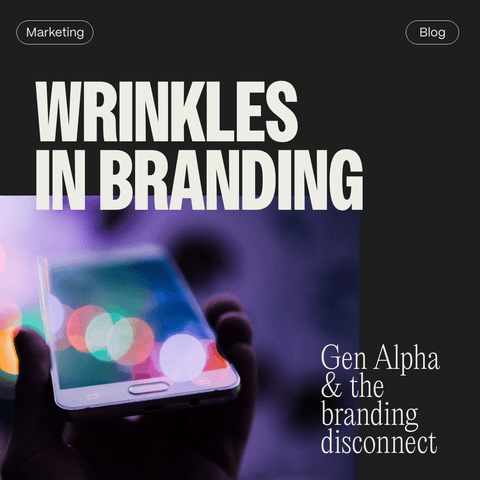
As consumers continue spending more time online, brands are producing more content than ever before. But despite this constant stream of communication, engagement is becoming harder to maintain. Audiences are scrolling faster, skipping ads more instinctively, and interacting less with content that feels repetitive or predictable.
This growing disconnect has led to what many marketers now describe as creative fatigue. Consumers are becoming overwhelmed by the sheer volume of digital marketing around them, and as a result, much of it is starting to blend together. The challenge for brands today is no longer simply staying visible. The real challenge is creating communication that still feels worth paying attention to.
In this blog, we explore why audiences are becoming harder to engage online, how creative fatigue is reshaping digital marketing, and what brands need to do to remain relevant in an increasingly saturated digital environment.
One of the biggest reasons behind creative fatigue is repetition. Brands often rely on similar trends, formats, visual styles, and storytelling techniques because they have seen them perform well elsewhere. While this approach may feel safe, it slowly creates a digital landscape where everything begins to look and sound the same. As explored in this article, audiences today are becoming increasingly overwhelmed by constant digital stimulation, making it harder for brands to create communication that genuinely feels fresh or engaging.
Consumers notice these patterns more quickly than brands expect. The same trending audios, predictable hooks, “relatable” captions, and overused editing styles begin to feel formulaic after a while.
Brands that continue to capture attention are usually the ones willing to move beyond trend imitation and focus on building a stronger creative identity of their own.
For years, digital marketing strategies focused heavily on staying consistently visible. Brands were encouraged to post more frequently, remain active across multiple platforms, and constantly produce fresh content to maintain relevance.
However, audiences today are consuming massive amounts of content while paying attention to very little of it.
Consumers have adapted to digital overload. They instinctively skip advertisements, scroll past promotional posts, and filter out communication that immediately feels overly branded or sales-driven. Attention has become far more selective.
This shift has changed the way brands need to approach communication. Simply appearing in someone’s feed is no longer enough to create impact. Content now has to provide a reason for audiences to stop scrolling and engage with it.
People are far more likely to interact with communication that feels emotionally relevant, entertaining, insightful, or genuinely interesting.
Modern marketing relies heavily on analytics and performance metrics. Engagement rates, impressions, watch time, click-through rates, and conversions all influence creative decisions. While data is extremely valuable, relying on it too heavily can sometimes reduce creative originality.
When brands continuously repeat content formats that previously performed well, creativity can quickly become repetitive. Marketing teams begin prioritising predictability over experimentation because safer ideas feel less risky.
Over time, this creates a cycle where brands continue recreating familiar styles instead of developing fresh creative approaches. Ironically, this is often what causes audiences to lose interest in the first place.
Consumers are drawn to communication that feels unexpected, emotionally engaging, or creatively different.
The brands that remain memorable are usually the ones willing to evolve creatively rather than endlessly repeating the same ideas that worked in the past.
Consumers today are becoming increasingly resistant to marketing that feels overly transactional. Constant product pushing and aggressive promotional messaging can quickly create disinterest, especially in digital environments where audiences are already overwhelmed with advertising.
People engage more with brands that provide some form of value beyond selling. This value could come through entertainment, education, storytelling, humour, emotional connection, or thoughtful insights. In fact, the growing rise of “edutainment” in digital marketing, discussed by Genie Crawl, reflects how audiences are increasingly drawn to content that informs or entertains them rather than simply trying to sell a product.
This is one reason creator-led content and conversational brand communication often perform better than traditional advertising formats. They feel more natural within the digital experience and less disruptive to the audience.
Modern consumers dislike communication that feels disconnected, forced, or entirely focused on selling from the very first interaction.
Brands that focus on building trust and connection over time are often far more successful at maintaining audience attention than brands focused only on short-term visibility.
Creative fatigue is not only affecting audiences. It is also affecting the people responsible for creating the content.
Marketing teams, creators, and agencies are under constant pressure to produce more content across more platforms at increasingly faster speeds. Brands are expected to react instantly to trends, maintain daily online visibility, and continuously stay relevant in fast-moving digital spaces.
This pressure can eventually reduce creative quality. Ideas become rushed, experimentation becomes limited, and content begins to feel reactive instead of intentional.
As a result, many brands are beginning to reconsider how they approach content production. Instead of focusing entirely on volume, they are shifting towards more strategic storytelling, stronger creative direction, and fewer but more meaningful campaigns.
In many cases, carefully considered communication creates far greater long-term impact than constant content output.
Authenticity has become one of the most commonly used concepts in modern marketing. Brands have increasingly adopted casual tones, behind-the-scenes content, and relatable messaging in an attempt to appear more human online.
While authenticity still matters, audiences have become more aware of performative branding tactics. Consumers can often recognise when “authentic” communication still feels heavily calculated or strategically manufactured.
Today, audiences are looking for something deeper than surface-level relatability. They want consistency, honesty, and communication that genuinely aligns with a brand’s identity and actions over time.
Brands that continue building strong audience relationships are usually the ones that communicate with clarity and intention rather than constantly trying to appear trendy or culturally relevant.
Creative fatigue is becoming one of the defining challenges of digital marketing today. Consumers are surrounded by endless streams of content, repetitive trends, and constant attempts to capture their attention. As a result, audiences are naturally becoming more selective about what they choose to engage with online.
For brands, this means that visibility alone is no longer enough. Creating more content does not automatically lead to stronger engagement or deeper audience connection. What matters now is originality, relevance, and the ability to communicate in ways that feel genuinely meaningful.
In an increasingly crowded digital space, attention is not won by simply being louder. It is won by being more thoughtful, creative, and emotionally resonant.
At Together, we believe strong creative work should do more than fill feeds or follow trends. It should create connection, spark curiosity, and leave a lasting impression long after audiences scroll past it.