NEWS ALERT - We won a SILVER IPM award for Best use of Social Media, 2025! Read more🏆
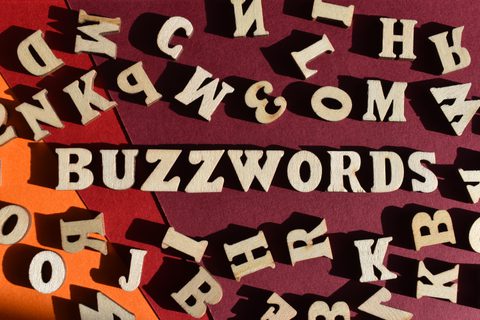
Every campaign claims to be "real," every caption talks about "genuine connection," and every brand wants to sound human on social media.
The problem is that when everyone starts using the same language, being authentic itself risks becoming another marketing buzzword. In an era shaped by creator culture, influencer marketing, and fast-moving social platforms, people have become far more aware of what is genuine and what is carefully staged. They no longer engage with communication simply because it looks polished. Instead, they respond to stories that are believable, relatable, and emotionally honest. That shift has fundamentally changed the way companies communicate online.
The question now is no longer whether authenticity matters. It's whether organisations actually understand what authentic engagement looks like in practice.
This blog explores how authenticity is being reshaped by influencer marketing, why consumers are becoming more selective about what they trust, and how businesses can move beyond performative relatability to build meaningful engagement on social media. At agencies like Together, the focus is no longer just on creating visibility, but on developing creator partnerships and social-first campaigns that people genuinely connect with.
One of the biggest misconceptions in modern marketing is that authenticity can simply be added to a campaign like a visual style or trend. Brands often try to appear relatable by using casual language, behind-the-scenes footage, or influencer collaborations, assuming these elements automatically create trust. But authenticity doesn’t come from surface-level execution. It comes from consistency between what a brand says and what it actually does.
Audiences today spend hours consuming content across platforms like Instagram, TikTok, and YouTube. As influencer marketing continues to evolve, consumers have become increasingly aware of content that feels overly scripted or transactional. In fact, research published in the Journal of Marketing found that audiences strongly associate authenticity with transparency, credibility, and natural creator-brand alignment, particularly in influencer partnerships that feel genuinely integrated into a creator’s identity and content style.
If a creator suddenly promotes a product that clearly doesn’t align with their usual voice or lifestyle, audiences notice immediately. This is where many brands get authenticity wrong. They focus too heavily on appearance rather than alignment. Real authenticity is built when the partnership, messaging, and audience expectations naturally fit together.
Traditional advertising relied heavily on polished campaigns and controlled messaging. Influencer marketing shifted that dynamic completely. Instead of brands speaking directly to consumers, creators became the bridge between the two.
What made influencer marketing effective initially was not just reach, but trust. People followed creators because they appeared familiar, relatable, and personal. Their recommendations often carried the credibility of word-of-mouth rather than traditional advertising.
Over time, however, influencer marketing became more commercialised. Sponsored content increased, partnerships became more frequent, and consumers became more sceptical. As a result, simply collaborating with creators is no longer enough. Brands now need to think carefully about credibility, creative freedom, and long-term alignment.
The strongest influencer-led campaigns today are those that integrate naturally into a creator's content rather than interrupting it. They become the kind of content followers choose to engage with, even when sponsorship is clearly disclosed.
That distinction matters more than ever.
Social media platforms reward posts that blend naturally into the environment they appear in. People scroll quickly, ignore obvious advertisements, and engage more with communication that is conversational rather than corporate.
This is one reason many brands are investing more in creator-led content. According to Sprout Social's Influencer Marketing Report, 69% of marketers say influencer-generated content outperforms brand-directed content, while 90% report higher engagement from creator content. Creators understand platform behaviour because they live within those ecosystems every day. They know how audiences interact with trends, storytelling formats, humour, pacing, and tone. In fact, Together Agency’s article on influencer marketing trends for 2026 highlights how brands are increasingly moving away from over-scripted campaigns and allowing creators to lead storytelling in ways that feel more native to the platform and more relatable to audiences.
When brands over-control influencer content, authenticity usually disappears. The content starts feeling like a scripted ad rather than something genuinely created for the platform.
The most effective collaborations happen when brands provide direction without removing the creator’s voice entirely. Structure is important, but so is flexibility. Authenticity often exists in the small imperfections, natural reactions, and unscripted moments that make content feel human.
Within Tate & Lyle's "Trusted by the Best" campaign, the influencer activation demonstrated how creator-led storytelling can build credibility and strengthen audience engagement.
Rather than relying solely on traditional corporate messaging, the campaign focused on showcasing real chefs, bakers, and creators who already used Tate & Lyle products within their everyday professional environments. The content leaned into genuine creator storytelling instead of polished brand-heavy advertising.
What made the campaign effective was the way it balanced credibility with relatability. The creators weren’t simply promoting a product. They were demonstrating how the product naturally fit into their process, routines, and expertise. That subtle difference made the content feel far more trustworthy and engaging.
The campaign also reflected an important shift happening across social media marketing. Audiences increasingly respond better to expertise, lived experience, and creator-led storytelling than purely branded communication. People trust people more than polished advertising.
Instead of forcing authenticity, the campaign allowed it to emerge through alignment between the creators, the audience, and the brand itself.
For years, brands focused heavily on presenting idealised versions of themselves online. Perfect visuals, carefully curated messaging, and highly controlled communication dominated digital marketing.
Today, consumers are more aware of branded collaborations than ever before. Rather than expecting influencers to hide commercial partnerships, people value clear disclosure and partnerships that stay true to a creator's established style and voice.
This is why advertising regulations, such as the Advertising Standards Authority (ASA) guidelines, require sponsored posts to be clearly labelled. Clear disclosures help people recognise when a post is part of a paid partnership while maintaining trust between creators, brands, and their communities.
For brands, the goal isn't to make sponsored posts appear organic. It's to create collaborations that are relevant, credible, and genuinely aligned with the creator's community. Authenticity isn't about disguising advertising. It's about ensuring branded communication is honest, clearly disclosed, and valuable enough for people to engage with willingly.
Another mistake brands make is treating authenticity like a campaign objective rather than a long-term approach. Authentic engagement cannot be built through one influencer collaboration or one relatable social media post.
It comes from consistency over time.
Brands that successfully build trust maintain a clear voice, consistent values, and honest communication across every touchpoint. Their social media presence remains closely aligned with their broader brand identity rather than becoming a series of disconnected attempts to chase trends.
Authenticity also requires listening. Brands that genuinely understand their audience tend to create more meaningful content because they respond to real behaviours, conversations, and interests rather than assumptions.
The brands that succeed long-term are often the ones that stop trying to “look authentic” and instead focus on being clear, useful, and human in the way they communicate.
Authenticity still matters deeply in marketing, but audiences are becoming increasingly selective about what they believe. As influencer marketing continues to evolve, brands can no longer rely on performative relatability or trend-driven messaging to build trust.
People are looking for communication that is aligned, credible, and emotionally honest. They want creator partnerships that make sense, content that blends naturally with the platform, and brands that communicate consistently over time.
The challenge isn’t whether brands should pursue authenticity. It’s whether they’re willing to approach it with sincerity instead of treating it like another marketing trend.
At the end of the day, authentic engagement isn’t built through perfectly curated messaging. It’s built through trust, relevance, and relationships that audiences genuinely believe in.
If your brand is looking to create influencer campaigns and social content that audiences genuinely connect with, now is the time to move beyond performative marketing and focus on meaningful engagement. Contact us to build content strategies that are authentic, relevant, and built for real audience connection.